
Pet Internal Medicine in Gardena, CA
At South Bay Veterinary Care, we provide compassionate and collaborative internal medicine services for dogs and cats. Through personalized treatment planning and coordination with trusted specialists, our team helps pets receive thoughtful medical care tailored to their unique health concerns.
What Is Veterinary Internal Medicine?
Veterinary internal medicine focuses on diagnosing and managing complex diseases affecting the body’s internal systems and organs. Internal medicine cases often involve conditions that require advanced diagnostics, ongoing monitoring, or specialized medical management beyond routine veterinary care.
Pets may benefit from internal medicine evaluation when they experience persistent symptoms, recurring illness, unexplained changes in behavior, or chronic health conditions that require a deeper level of investigation.
At South Bay Veterinary Care, we work closely with pet owners to help identify underlying medical concerns while developing individualized care plans that prioritize both comfort and long-term quality of life.
What to Expect During an Internal Medicine Evaluation

Detailed Medical History & Examination
Our veterinarians begin with a thorough physical examination and discussion of your pet’s symptoms, lifestyle, behavior changes, and medical history. Even subtle changes can provide important diagnostic clues.

Advanced Diagnostic Testing
Internal medicine cases often require additional diagnostics to evaluate organ function and identify underlying disease processes. This may include bloodwork, urinalysis, fecal testing, blood pressure monitoring, and diagnostic imaging.

Ongoing Monitoring & Treatment Planning
Learn more about our In-House Diagnostics, Radiology (X-Rays), and Ultrasound and Echocardiogram services.
Conditions Internal Medicine May Help Diagnose & Manage
Internal medicine services may be recommended for a wide range of medical concerns affecting dogs and cats.
Common conditions evaluated through internal medicine include:
- Chronic vomiting or diarrhea
- Kidney disease
- Liver disease
- Diabetes
- Hormonal disorders
- Chronic infections
- Respiratory disease
- Gastrointestinal disorders
- Immune-mediated disease
- Unexplained weight loss
- Persistent appetite changes
- Chronic urinary concerns
Why Internal Medicine Is Important
Benefits of internal medicine evaluation may include:
- Earlier diagnosis of chronic disease
- More accurate treatment planning
- Improved symptom management
- Better long-term quality of life
- Ongoing monitoring of progressive conditions
- Coordinated care for complex medical cases
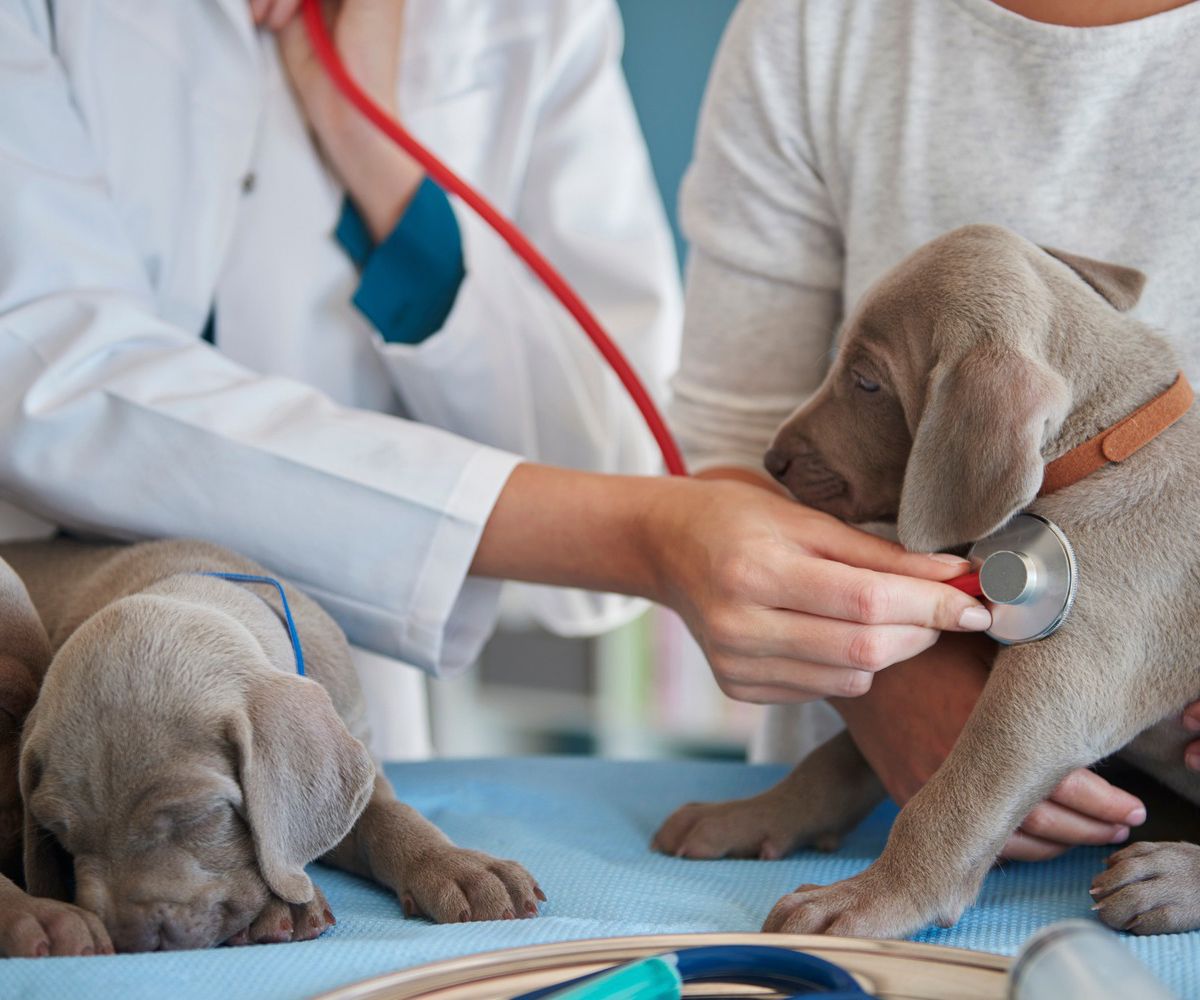
Collaborative Medical Care Focused on Your Pet’s Needs
At South Bay Veterinary Care, we understand how stressful it can be when pets experience ongoing or unexplained health concerns. Our approach to pet internal medicine in Gardena, CA, emphasizes careful diagnostic evaluation, clear communication, and individualized treatment recommendations designed around each pet’s condition and comfort.
When advanced specialty support is needed, we maintain strong relationships with trusted specialists and referral hospitals to help ensure pets receive the highest level of coordinated medical care possible.
FAQs About Pet Internal Medicine
What is the difference between internal medicine and general veterinary care?
What symptoms might indicate my pet needs an internal medicine evaluation?
Will my pet need diagnostic testing?
Are chronic diseases manageable in pets?
Will my pet need a referral to a specialist?
How often will my pet need follow-up visits?
Can senior pets benefit from internal medicine care?
How do diagnostics help with internal medicine cases?

Thoughtful Medical Care for Complex Health Conditions
Chronic illness and complex medical concerns often require deeper diagnostic evaluation and long-term management strategies tailored to each individual pet. At South Bay Veterinary Care, our approach to internal medicine combines advanced diagnostics, collaborative medical support, and compassionate communication to help dogs and cats receive thoughtful, personalized care throughout every stage of treatment. By focusing on both medical understanding and quality of life, we help local pet families feel more informed and supported as they navigate ongoing health concerns with their companions.