
Pet Radiology (X-Rays) in Gardena, CA
Our diagnostics at South Bay Veterinary Care include advanced veterinary radiology, digital pet imaging, and diagnostic pet X-rays for dogs and cats in Gardena and surrounding communities. This digital imaging technology helps us diagnose injuries, illnesses, and internal conditions quickly and accurately.
What Is Veterinary Radiology?
At South Bay Veterinary Care, pet X-rays are an important part of both urgent care and preventive veterinary medicine. Imaging allows us to better understand your pet’s condition and recommend the most appropriate next steps for care.
What to Expect During a Pet X-Ray Appointment
Our veterinary team works carefully to make imaging appointments as safe, efficient, and low-stress as possible for your pet.

Digital Imaging Technology

Careful Positioning & Monitoring

Expert Image Review
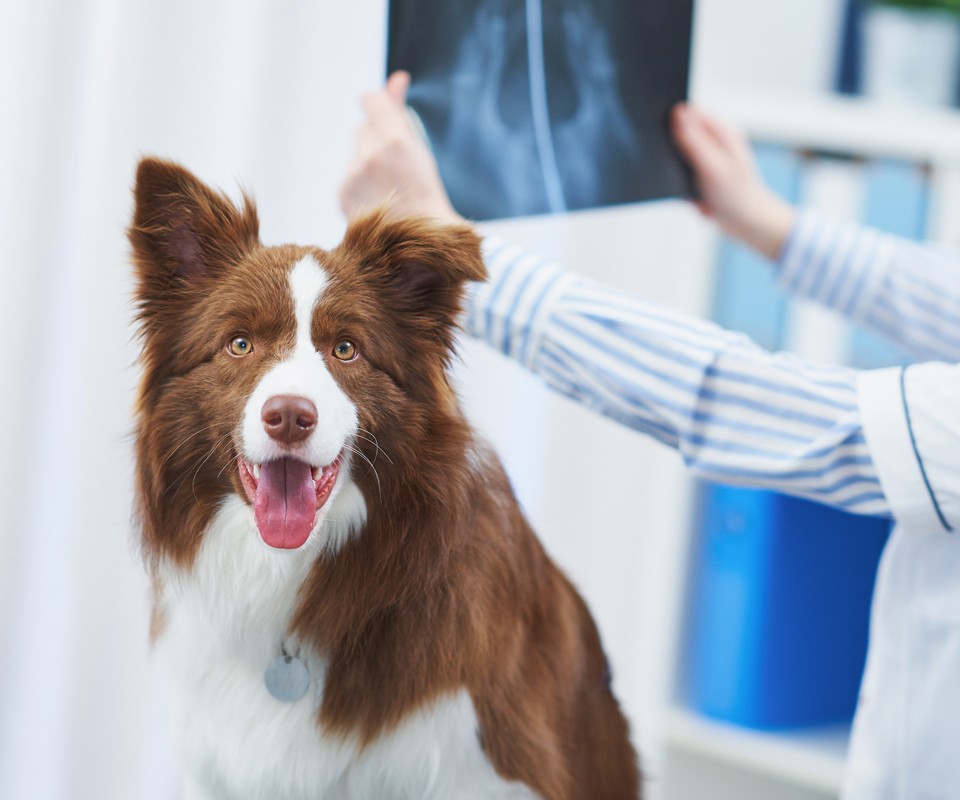
What Can Pet X-Rays Diagnose?
Digital pet imaging helps veterinarians evaluate a wide range of conditions affecting dogs and cats.
Bone & Joint Conditions
- Broken bones and fractures
- Joint swelling or arthritis
- Hip abnormalities
- Spinal concerns
- Mobility-related injuries
Internal Medical Conditions
- Heart enlargement or disease
- Lung abnormalities
- Digestive blockages
- Liver or spleen enlargement
- Bladder stones
- Abdominal concerns
Imaging is often used alongside Pet In-House Diagnostics to provide a more complete understanding of your pet’s health.
Why Veterinary Radiology Is Important
Benefits of veterinary radiology include:
- Faster identification of injuries and illnesses
- Improved treatment planning
- Better monitoring of chronic conditions
- Non-invasive internal evaluation
- Earlier intervention for serious medical issues
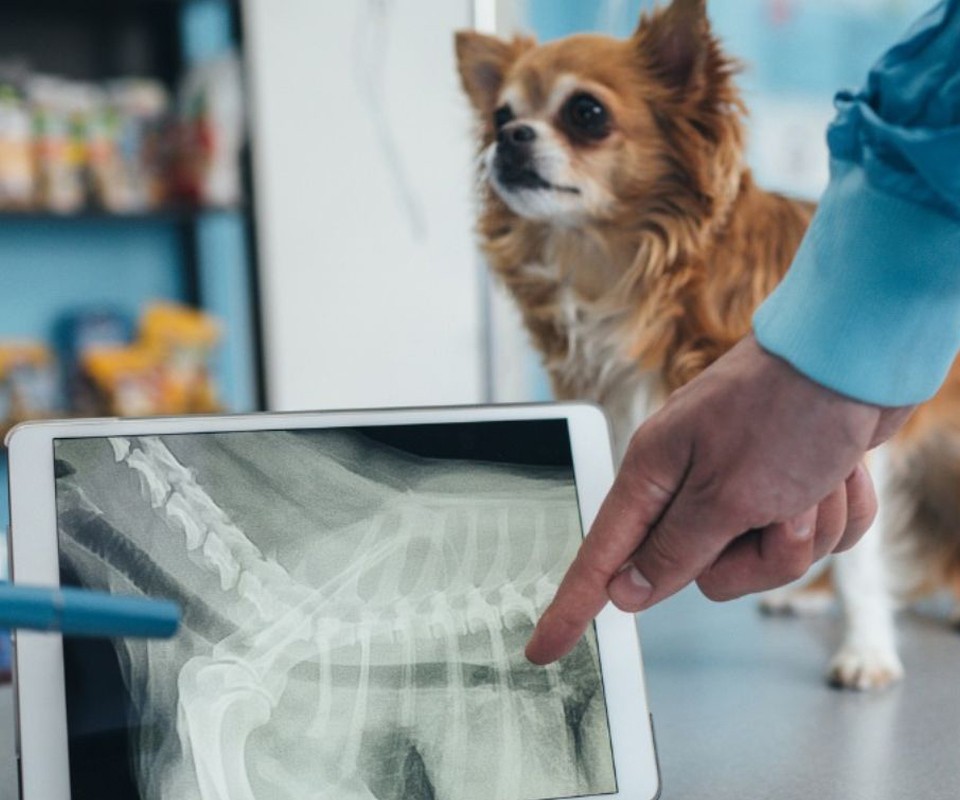
Advanced Imaging Backed by Collaborative Care
At South Bay Veterinary Care, we combine modern pet imaging technology with experienced medical evaluation to provide thoughtful, accurate diagnostic care for dogs and cats. Our team works closely together—and with trusted specialists when needed—to ensure your pet receives the appropriate level of diagnostic support and treatment recommendations.
If a condition requires advanced specialty care beyond what our hospital can provide, we maintain strong working relationships with nearby specialty hospitals and referral centers to help connect your pet with additional expertise when necessary.
FAQs About Pet X-Rays
Why would my pet need X-rays?
Are pet X-rays safe?
Will my pet need sedation for X-rays?
How quickly will I get results from my pet’s X-rays?
Can X-rays detect all medical conditions?
X-rays are extremely useful, but some conditions may require additional diagnostics such as ultrasound, bloodwork, or specialist evaluation. Our team may recommend Pet Ultrasounds and Echocardiograms or other testing depending on your pet’s symptoms.
Are X-rays painful for pets?
What happens if the X-rays show something serious?
How are digital X-rays different from traditional radiographs?

Diagnostic Imaging Designed Around Your Pet’s Needs
Accurate imaging is an essential part of modern veterinary medicine, helping veterinarians identify injuries, illnesses, and internal conditions with greater precision. At South Bay Veterinary Care, our digital pet X-rays and veterinary radiology services support dogs and cats with timely diagnostic evaluation, collaborative medical interpretation, and individualized treatment planning. By combining advanced imaging technology with compassionate care, we help local pet owners better understand their pet’s condition and move forward with confidence in their care decisions.